
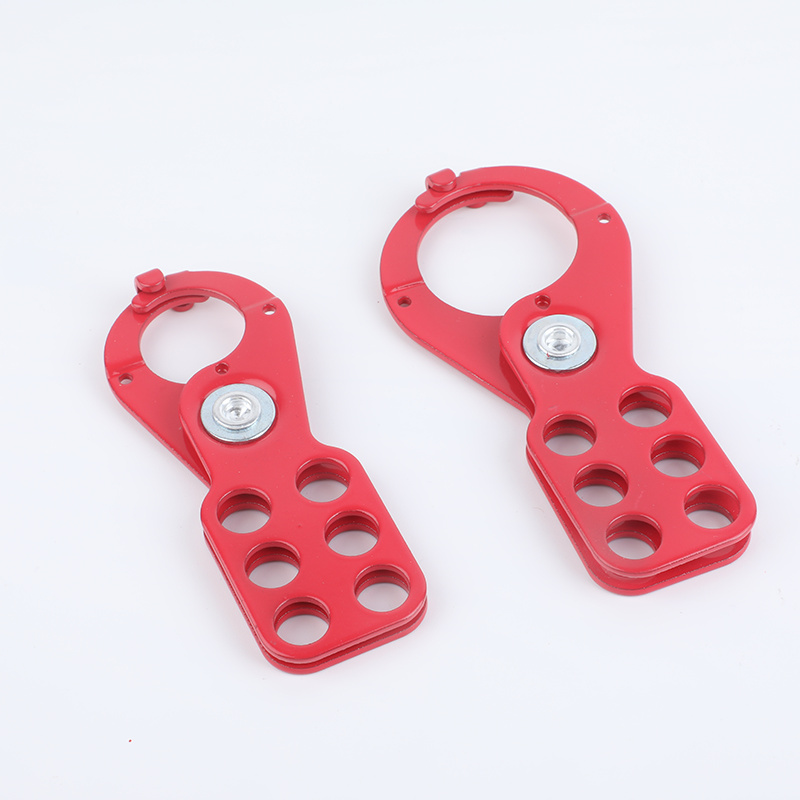
In today’s industrial environments, ensuring operational safety remains a paramount concern. Accidents caused by uncontrolled energy release or unauthorized operation of equipment continue to pose significant risks to workers. Among the myriad safety devices designed to mitigate these hazards, the Gate Valve Safety Lockout stands out as a critical component in safeguarding personnel and maintaining regulatory compliance.
**Understanding Gate Valve Safety Lockout**
Gate valves are frequently used in pipelines to control the flow of liquids or gases. While these valves play a vital role in industrial processes, they can also present hazards if accidentally operated during maintenance or repair activities. The Gate Valve Safety Lockout is designed to prevent such inadvertent operation by securing the valve in either the open or closed position, thereby eliminating the possibility of unexpected energy flow.
This lockout device physically restrains the valve handle or wheel, making it impossible to turn the valve without first removing the lock. As a result, it safeguards maintenance teams working downstream by ensuring equipment remains in a safe state until all safety protocols have been met.
**Commitment to Safety: Prevention First**
One company at the forefront of developing effective lockout solutions is Zhejiang Bojia Safety Protection Products Co., Ltd. With a specialized focus on manufacturing various locks, tags, and security products, this company has cemented its reputation as a reliable partner in industrial safety. The organization’s philosophy, “prevention safety first, lock safety second,” underlines its commitment to creating a safety culture that prioritizes proactive hazard elimination rather than reactive fixes.
By providing high-quality Gate Valve Safety Lockouts tailored to diverse industrial applications, the company empowers businesses to take meaningful steps toward preventing accidents before they occur. Their products are designed for durability, ease of use, and compliance with international safety standards such as OSHA and ISO, ensuring that safety officers have the tools they need to implement effective lockout/tagout (LOTO) procedures.
**Why Gate Valve Lockout Is Essential**
Industries such as oil and gas, chemical processing, water treatment, and manufacturing commonly utilize gate valves in their operations. During equipment servicing, unauthorized or accidental valve operation can result in catastrophic consequences including fires, chemical spills, explosions, and electrocution.
Implementing a Gate Valve Safety Lockout device significantly lowers these risks by:
1. **Preventing Accidental Releases**: The lockout device stops valves from being turned when they should remain closed or open for safety reasons.
2. **Facilitating Compliance**: Many regulatory bodies mandate the use of lockout/tagout devices to protect workers, making gate valve lockouts a compliance necessity as well as a safety best practice.
3. **Enhancing Worker Confidence and Productivity**: Knowing that equipment is locked out correctly allows maintenance staff to work efficiently without fear of unexpected valve activation.
4. **Reducing Downtime and Costs**: Avoiding accidents also minimizes operational disruptions, insurance claims, and legal liabilities.
**Features and Benefits of the Latest Lockout Designs**
Modern Gate Valve Safety Lockouts incorporate various features to address the diverse needs of industrial clients. These include adjustable fittings to accommodate different valve sizes, robust materials such as reinforced polymers or hardened metals for long-lasting performance, and bright, visible colors to enhance tagout visibility.
Additionally, ergonomic designs ensure that devices can be installed and removed quickly by authorized personnel while remaining tamper-proof to unauthorized users. Many manufacturers also include clear tagging areas where essential information such as the identity of the person applying the lock, the date, and reason for lockout can be recorded, bolstering communication and accountability.
**Industry Feedback and Adoption**
Feedback from industries utilizing these safety devices has been overwhelmingly positive. Plant managers and safety officers emphasize the simplicity and effectiveness of gate valve lockouts as key factors in maintaining safe working environments. By integrating these devices into comprehensive lockout/tagout programs, companies have witnessed marked reductions in workplace incidents tied to valve mishandling.
**Advancing Safety Through Innovation and Education**
Beyond supplying lockout products, companies like Zhejiang Bojia Safety Protection Products Co., Ltd. recognize that advancing safety is a holistic endeavor. Alongside manufacturing efforts, they actively promote training and education to encourage proper lockout/tagout practices. Providing resources, instructional guides, and on-site training helps organizations embed a robust safety culture that prevents complacency.
Moreover, ongoing research and development drive innovation in product design, addressing emerging industrial challenges such as extreme environmental conditions, complex valve configurations, and integration with digital safety management systems.
**Conclusion**
In the quest to create safer workplaces, Gate Valve Safety Lockout devices have proven indispensable. They represent a straightforward yet highly effective mechanism to prevent hazardous valve operation during maintenance, protecting workers and supporting compliance mandates.
With dedicated manufacturers specializing in these safety solutions, and a philosophy deeply rooted in prevention, industries around the world can confidently adopt enhanced lockout systems as integral components of their safety programs. Through continued innovation, education, and commitment to excellence, Gate Valve Safety Lockouts will remain pivotal in fostering injury-free industrial environments.