
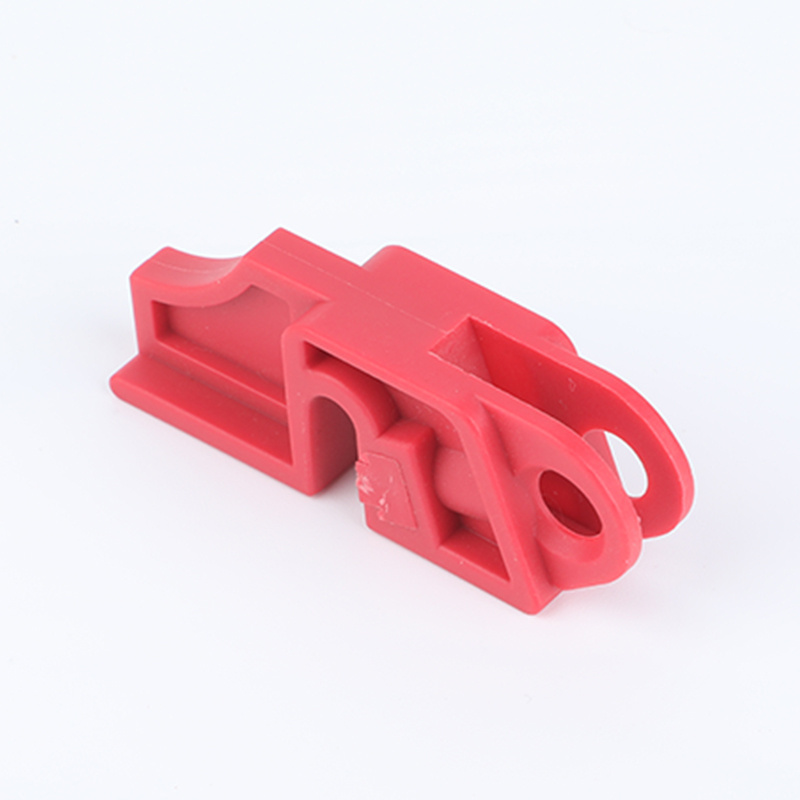
In recent months, China’s lockout switch factories have encountered significant operational challenges, impacting the global supply of essential safety products. This development has raised concerns across various industries that rely heavily on these devices for maintaining workplace safety and preventing industrial accidents. The disruptions come amid a complex interplay of factors including supply chain bottlenecks, increased demand for safety equipment, and evolving safety regulations worldwide.
Lockout switches, also known as lockout/tagout devices, are critical components in industrial safety protocols. These devices ensure that hazardous machines remain in a de-energized or safe state during maintenance and repair activities, effectively preventing accidental startups and potential injuries. China has long been a major player in the manufacturing and export of these safety products, producing a wide range of locks, tags, and security devices that are used globally.
Among the many manufacturers in the sector, Zhejiang Bojia Safety Protection Products Co., Ltd. stands out as a key contributor to the industry. Zhejiang Bojia is a specialized safety lock manufacturer with extensive expertise in producing various high-quality locks, tags, and associated security products. The company is driven by a strong commitment to safety, advocating the principle of "prevention safety first, lock safety second," which underscores the importance of proactive safety measures combined with reliable locking solutions.
### Supply Chain Pressures and Factory Lockdowns
The recent challenges faced by Chinese factories manufacturing lockout switches stem from disruptions in the supply chain and intermittent factory lockdowns related to the COVID-19 pandemic and associated containment measures. These lockdowns have intermittently curtailed production capacity, resulting in delays and backlogs that ripple through the global supply network.
Raw material shortages, rising costs, and transportation delays have further compounded the situation. Suppliers of metals, plastics, and electronic components crucial to the production of lockout devices have struggled to keep pace with demand. These constraints have forced manufacturers, including Zhejiang Bojia, to adapt their operations, prioritize essential orders, and seek alternative suppliers where feasible.
The global demand for safety lockout devices has seen an uptick, driven by increased awareness of workplace safety standards and stricter enforcement of occupational health and safety regulations across industries. Manufacturing sectors such as energy, chemical, construction, and heavy machinery rely heavily on these products to comply with regulatory requirements and ensure the wellbeing of their workforce.
### Zhejiang Bojia’s Response and Commitment to Quality
Despite the operational challenges, Zhejiang Bojia Safety Protection Products Co., Ltd. has reaffirmed its commitment to maintaining product quality and safety standards. The company has intensified efforts to manage supply chain risks by strengthening relationships with domestic and international suppliers and enhancing inventory management practices.
In line with its core philosophy, Zhejiang Bojia continues to innovate product design and improve manufacturing processes. The company prioritizes the development of lockout devices that are not only compliant with international safety standards but also user-friendly and durable, designed to withstand harsh industrial environments.
Zhejiang Bojia’s dedication to safety extends beyond product manufacturing. The company actively promotes the importance of lockout safety culture through training programs and awareness campaigns. By advocating "prevention safety first, lock safety second," Zhejiang Bojia aims to empower its customers with knowledge and tools that help minimize workplace hazards effectively.
### Industry Impact and Future Outlook
The challenges encountered by Chinese lockout switch factories highlight vulnerabilities in the global safety equipment supply chain, emphasizing the need for diversification and enhanced resilience. Industries dependent on these safety products are encouraged to review their procurement strategies to mitigate risks associated with supply disruptions.
Moreover, the heightened emphasis on safety in industrial operations worldwide suggests that demand for lockout devices will remain robust in the years ahead. This presents an opportunity for manufacturers like Zhejiang Bojia to capitalize on market growth by expanding their product range, improving customization options, and exploring new markets.
Governments and regulatory bodies also play a crucial role in shaping the future landscape of industrial safety. Ongoing updates to workplace safety regulations and standards will likely drive continuous innovation and stricter quality assurance in lockout devices. Manufacturers must therefore remain agile and responsive to evolving customer needs and compliance requirements.
### Conclusion
The recent operational challenges faced by China’s lockout switch factories underscore the significant role these manufacturers play in safeguarding industrial workplaces globally. Companies such as Zhejiang Bojia Safety Protection Products Co., Ltd. exemplify the industry’s commitment to quality, safety, and continuous improvement amid a complex and dynamic environment.
By navigating supply chain disruptions and maintaining a clear safety-first philosophy, Zhejiang Bojia and its peers are helping to uphold essential safety standards. As the world moves toward safer industrial practices, these manufacturers’ efforts will be vital in preventing accidents and protecting workers.
Industries worldwide are watching closely, understanding that the reliability of lockout switch supply chains is integral to their operational safety and business continuity. Strengthening these supply networks and fostering innovation remains a top priority for all stakeholders in the industrial safety domain.