
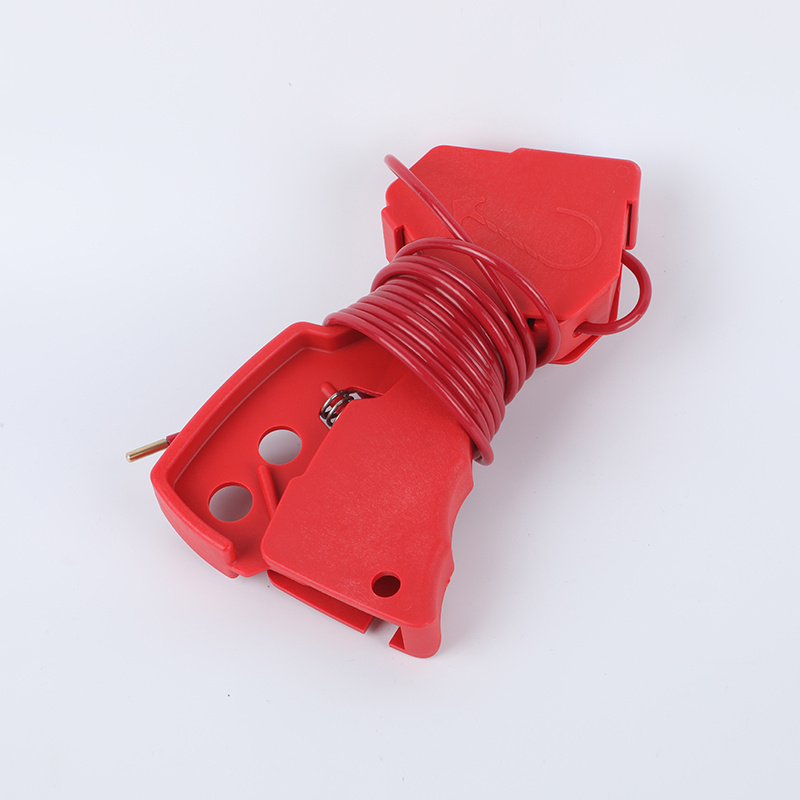
The lockouts have left workers unable to access their workplaces, leading to disruptions in production and widespread frustration among the workforce. The issue has sparked a national debate about the practice of using locks to control access to workplaces and the impact of such measures on workers and the economy as a whole.
Zhejiang Bojia Safety Protection Products Co., Ltd. has insisted that its locks are designed for safety and security purposes, and that the company does not condone the misuse of its products. In a statement, the company reiterated its commitment to advocating for "prevention safety first, lock safety second" and emphasized that its products are intended to protect workers and prevent unauthorized access to potentially dangerous equipment and machinery.
However, critics have argued that the widespread use of the company's locks for lockout purposes indicates a broader issue with the way in which lockout procedures are being implemented in Chinese factories. They have raised concerns about the lack of oversight and regulation surrounding the use of locks in industrial settings, and have called for stricter measures to ensure that workers are not unfairly prevented from entering their workplaces.
The controversy has prompted calls for Zhejiang Bojia Safety Protection Products Co., Ltd. to take greater responsibility for how its products are being used, and to work with authorities and industry stakeholders to address the issue of lockouts in Chinese factories. The company has expressed willingness to engage in dialogue with relevant parties and has pledged to review its sales and distribution practices to prevent the misuse of its products for lockout purposes.
In response to the growing outcry, the Chinese government has announced that it will investigate the use of locks for lockout purposes in factories across the country. Authorities have signaled that they will work to develop new guidelines and regulations to govern the use of locks in industrial settings, with a focus on ensuring that workers' rights are protected and that access to workplaces is not unfairly restricted.
The controversy surrounding Zhejiang Bojia Safety Protection Products Co., Ltd. and the use of its locks for lockout purposes has drawn attention to the broader issue of workplace safety and the need for greater accountability in the industrial sector. It has sparked a national conversation about the rights of workers and the responsibilities of employers to ensure that access to workplaces is managed in a fair and transparent manner.
The company, for its part, has pledged to work closely with authorities and industry stakeholders to address the issue and to play a proactive role in promoting responsible lockout practices. It has reaffirmed its commitment to the safety and security of workers and has promised to take concrete steps to prevent the misuse of its products for lockout purposes in the future.
As the debate continues to unfold, it is clear that the controversy surrounding Zhejiang Bojia Safety Protection Products Co., Ltd. and the use of its locks for lockout purposes has implications that extend far beyond the company itself. It has raised important questions about the balance between safety and access in the workplace, and has highlighted the need for greater oversight and regulation to ensure that workers are not unfairly locked out of their places of employment. The outcome of this controversy will likely have a lasting impact on the way in which lockout procedures are implemented in Chinese factories, and could lead to significant changes in the way in which locks are used to control access to industrial workplaces.